

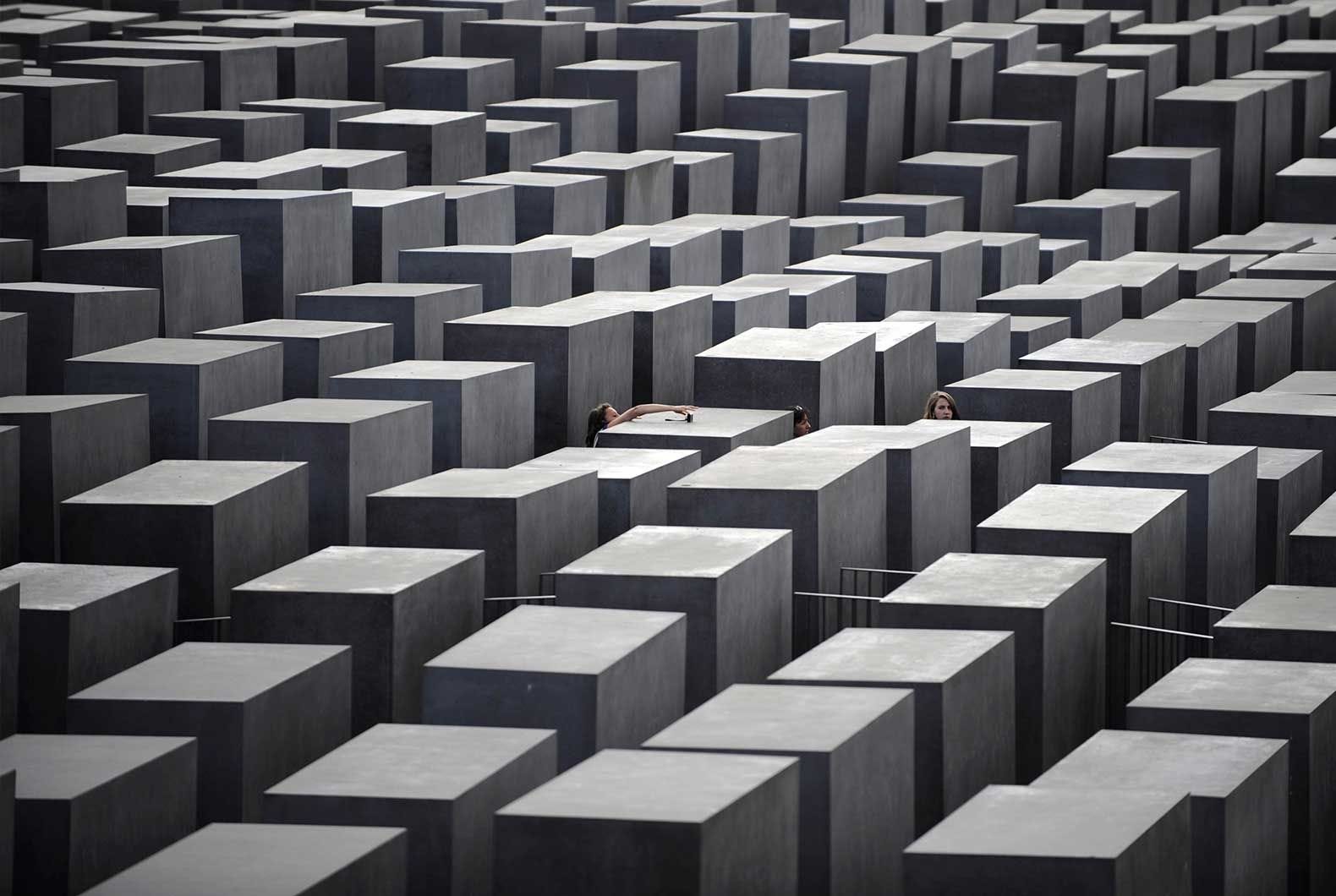
In 1932, the German writer Siegfried Kracauer wrote of one of Berlin’s shopping districts, where shops were constantly shuttering and being replaced by new ones, that the streets were “the embodiment of empty flowing time, where nothing persists.”
‘‘That which once was is never to be seen again, and that which is current occupies the present one hundred percent,” he wrote1. ‘‘Constant change purges memory.’’
When I walk down the streets of the neighborhood I grew up in, that is how it feels: depressingly current.
The West Village in Manhattan has gone from a bohemian bastion for queer people to a paradise for billionaires in just a few decades. One of my first memories of my home is stepping outside my apartment and seeing some men across the West Side Highway, on the same piers memorialized by countless queer artists like David Wojnarowicz, engaged in an orgy. That would…not happen today. There is no memory there. Only now.
There was nothing particularly notable about that orgy. But it was one of a plethora of memories of the neighborhood that collectively made me who I am; memories that taught me that cities could be fun, that life could take place in public, that being gay was normal, and, perhaps most crucially, that people living atop of and intertwined with one another was a massive benefit to a sense of community and a sense of self.
These days in the Village, bleach-blonde finance wives carry their frufru little dogs to bland but expensive cafes to lunch (verb) with their girlies. Those once-gay piers across from my childhood apartment are now a private-security-patrolled jogging path for people who undoubtedly work for Halliburton or somewhere equally evil.
I grieve for my neighborhood. But mostly I grieve the fact that few others know what I’m talking about. I can envision a different kind of city because I carry a mental history of a different kind of city. For the new entrants to New York, there is nothing to grieve, because it is all new. But more than that: there is nothing better to look forward to, because there is no memory bank of better or different times to pull from. The entire concept of a more equitable, more exciting city, has been erased.
In this sense, memory is a very fragile thing. For memory to work it must be collective. It cannot be me or anyone else screaming into the void. We must share a language and reference points. Any cog to drop out of the machine of collective memory threatens the whole structure. And without a sound structure, a downward spiral begins in which the needs of capital always win out: the people made by a memoryless place (such as the new entrants to the West Village today) have less power or desire to push for places that create new memories; this further blandifies that place; and so people after them have even less of a memory to pull from and therefore even less of a future to fight for; until one day we will all be born in a Chase Bank lobby, unwilling or unable to fight our way out of it, because, as far as we know, the entire world is and always has been a Chase Bank lobby.
Without collective memory, we exist in a depressingly-static present. Memory is not just a past to grieve, but the fire in which the future is forged.
The world today feels much like the West Village: stuck in a deeply unsatisfying present, unable to push for a better future because the erasure of our memory has left us with little to fight for, and little knowledge of how to fight.